Mulch Replacement Guide for Tennessee Landscape Beds
Published by MRX Landscaping · Last updated: August 7, 2026
Editorial guidance for Middle Tennessee homeowners from MRX Landscaping. Not a substitute for an on-site estimate.
How often should mulch be replaced in Tennessee?
Most Middle Tennessee beds benefit from a yearly refresh when depth thins, color fades, or weeds penetrate the surface. Full removal and reinstall is needed when mulch is compacted, sour, or piled too deep against plant crowns—not every refresh requires stripping all old material.
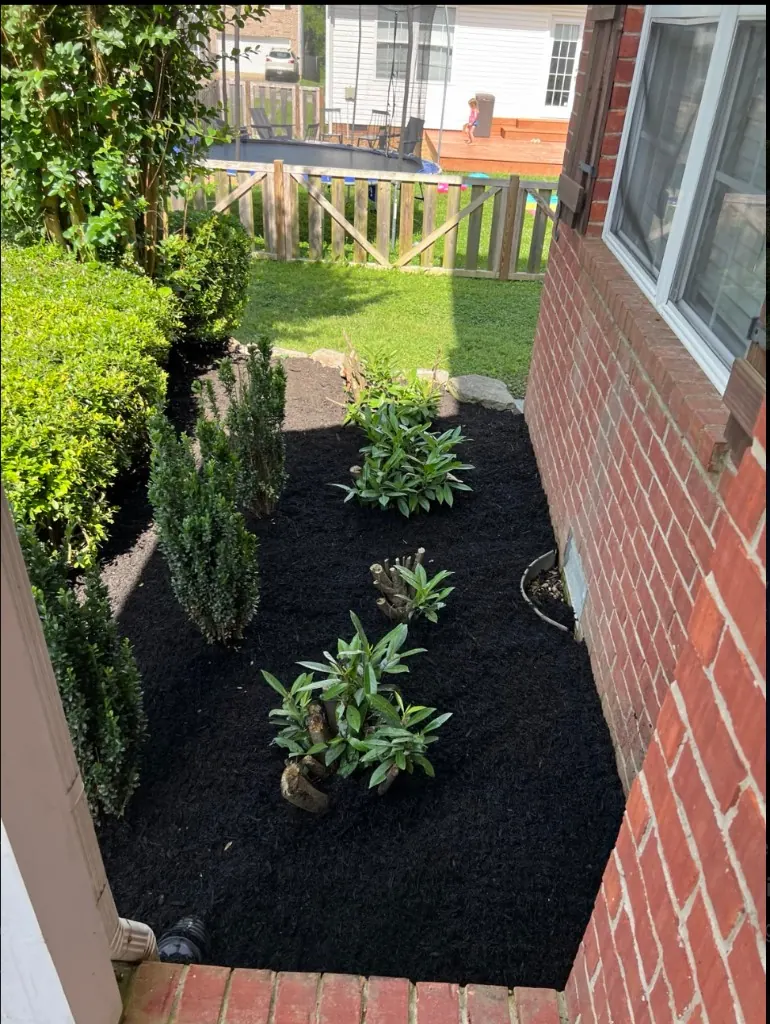
Mulch replacement is not the same as adding a thin top-off. Most Tennessee beds need a yearly refresh, but full removal and reinstall makes sense when mulch is matted, weedy, too deep against plant crowns, or no longer suppressing weeds at the soil surface.
This guide covers timing and bed-condition signals—not installation pricing. When beds are ready for work, mulch installation services handle cleanup, edging, and consistent depth as a defined project scope.
Tennessee Climate and Mulch Breakdown
Summer heat and sun fade color and dry beds. Storms move lightweight mulch on slopes. Winter freeze-thaw and wet soil speed decomposition of finer shredded products. Shaded beds under mature trees often keep coverage longer than open, south-facing beds.
Mulch Types and How Often They Need Attention
Hardwood and dyed mulches are common refreshes for color and weed suppression. Coarser bark products may hold texture longer but still thin over time. Compare products in our best mulch for Tennessee homes guide before you lock in a color or texture.
If you are budgeting a refresh, mulch cost in Brentwood depends on bed size, depth, removal needs, and access—not only the bag or bulk price of the product.
Fading, Decomposition, and Weed Control
- Faded color is cosmetic; thin coverage is a weed and moisture problem
- As mulch decomposes, depth drops and soil or weeds become visible
- Compacted or matted layers can shed water instead of protecting roots
- Weed pressure rises when coverage is uneven or beds lose defined edges
- Stacking new mulch yearly without checking depth can bury crowns and root flares
Seasonal Recommendations for Middle Tennessee
Spring is a common time to clean beds, reset edges, and top off mulch before summer heat. Fall refreshes help after leaf drop and before winter, especially when weeds and thin spots showed up through the growing season.
For mulch installation in Brentwood and nearby cities, wait until nearby grading, planting, or hardscape work is finished so the finished layer is not disturbed twice.
Mulch Depth, Bed Prep, and Edging
Most Tennessee beds perform best with roughly two to three inches of mulch after settling—not a volcano piled against trunks and stems. Before refresh, weeds should be removed and bed edges redefined so mulch stays in the bed instead of spilling into lawn.
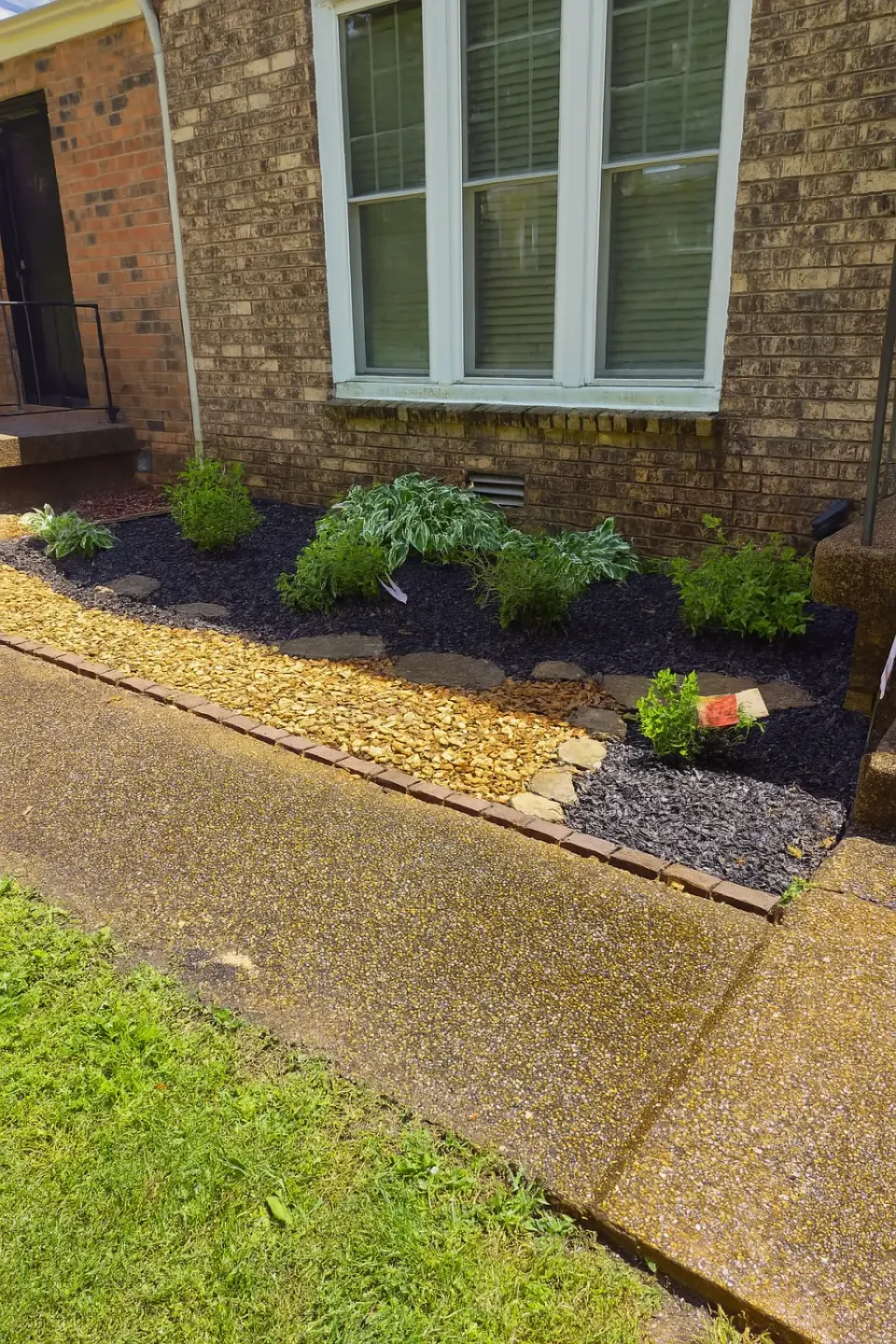
Edging—whether cut, metal, or stone—keeps the finished bed line visible and makes mowing easier. Cleanup and shrub shaping often happen first when beds are overdue for a full refresh.
Mulch vs Decorative Rock
Organic mulch breaks down and improves soil structure over time. Decorative rock suits some modern beds but does not feed soil, can hold heat in full sun, and is harder to change when plants mature or beds expand. Rock also does not replace weed control when fabric fails or soil washes on top.
For color and texture choices before a refresh, compare mulch types in the best mulch guide rather than adding another thin mulch article.
Related Next Steps
When beds are ready for a refresh, request mulch installation or mulch installation in Franklin for a scoped estimate—then compare best mulch for Tennessee homes if you are still choosing material.