Low-Maintenance Landscaping Plants for Tennessee
Published by MRX Landscaping · Last updated: August 7, 2026
Editorial guidance for Middle Tennessee homeowners from MRX Landscaping. Not a substitute for an on-site estimate.
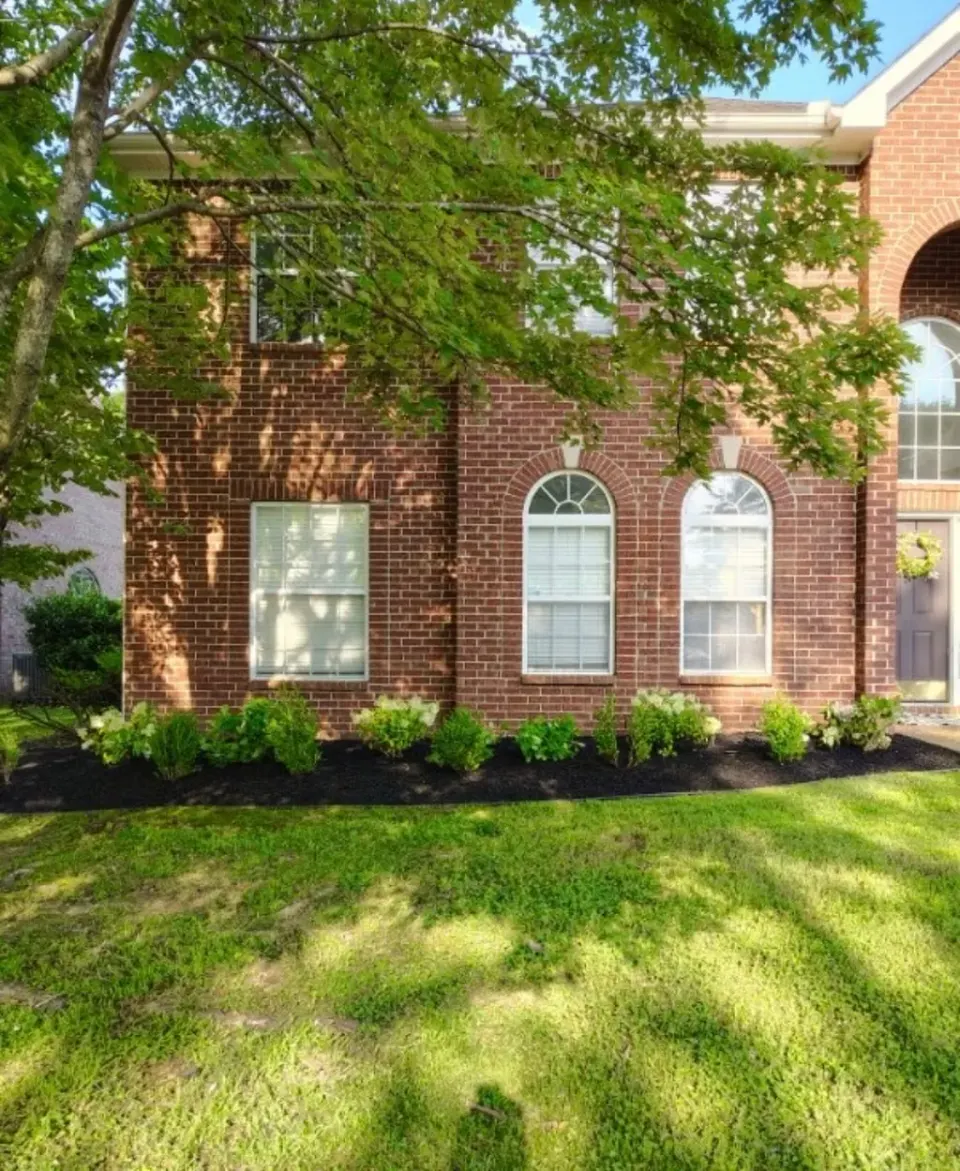
Low-maintenance landscaping plants are the ones that fit the bed they occupy. A slow-growing shrub in a wide foundation bed can stay easy to care for; the same species under a window becomes a trimming problem within a few seasons.
This guide helps homeowners plan plant choices before installation. MRX Landscaping provides practical plant installation and broader landscaping projects—not formal landscape architecture drawings.
What Makes a Plant Lower Maintenance
- Mature size fits the bed without constant pruning
- Water needs match the site after establishment
- Plant tolerates the available sun or shade
- Growth habit stays clear of walkways, windows, and drives
- Spacing allows airflow and reduces overcrowding
- Mulch and bed edges can be maintained without burying crowns
Plants That Require Less Pruning
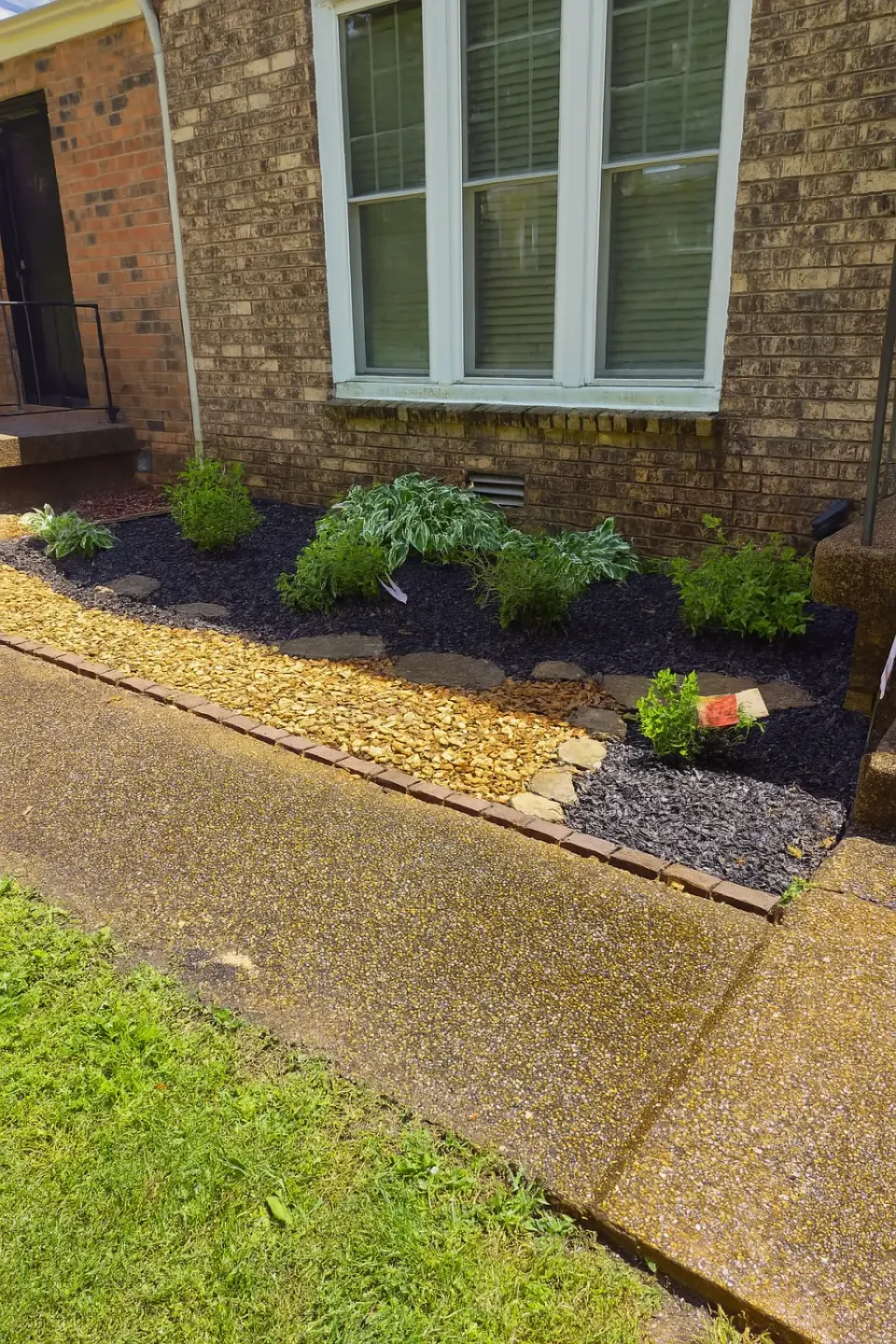
The lowest-pruning plant is usually the one placed where it can grow naturally. Compact shrubs, slower-growing evergreens, ornamental grasses, and selected perennials may reduce trimming, but only if the bed has the right width and sun exposure.
If a plant must be cut hard several times a year to stay off the porch, it is not low maintenance for that location. Replacing overcrowded foundation shrubs can be the better long-term move.
Drought Tolerance and Establishment
Drought-tolerant does not mean no water after installation. New plants need establishment care while roots move into the surrounding soil. After that, plant choice, mulch depth, and soil moisture determine how resilient the bed becomes during hot weather.
Mulch helps reduce evaporation and weed pressure, but it should be installed as a layer, not a mound against stems or trunks.
Avoiding Overcrowded Beds
Overcrowding is one of the most common reasons a landscape stops feeling low maintenance. Plants compete for light and airflow, pruning becomes constant, and bed edges disappear. Spacing for mature size is the first maintenance decision.
In Spring Hill and Thompson's Station, newer beds often need scale without overplanting. In Franklin and Brentwood, established landscapes may need selective removal, shade-aware replacements, and cleaner bed lines.
When a low-maintenance planting plan sits near a patio or retaining wall, bed width, slope, and access should be planned before installation.
Related Next Steps
Low-maintenance planting still needs plant installation and ongoing shrub trimming. When you are ready to hire, start at plant installation or shrub trimming, and use the shrub trimming timing guide for seasonal planning.